Imagine you walk into a physical store. The aisles are cluttered, the signs are in a language you don’t understand, and the checkout counter is hidden in a dark corner behind a velvet curtain. You’d leave, right? Probably within seconds.
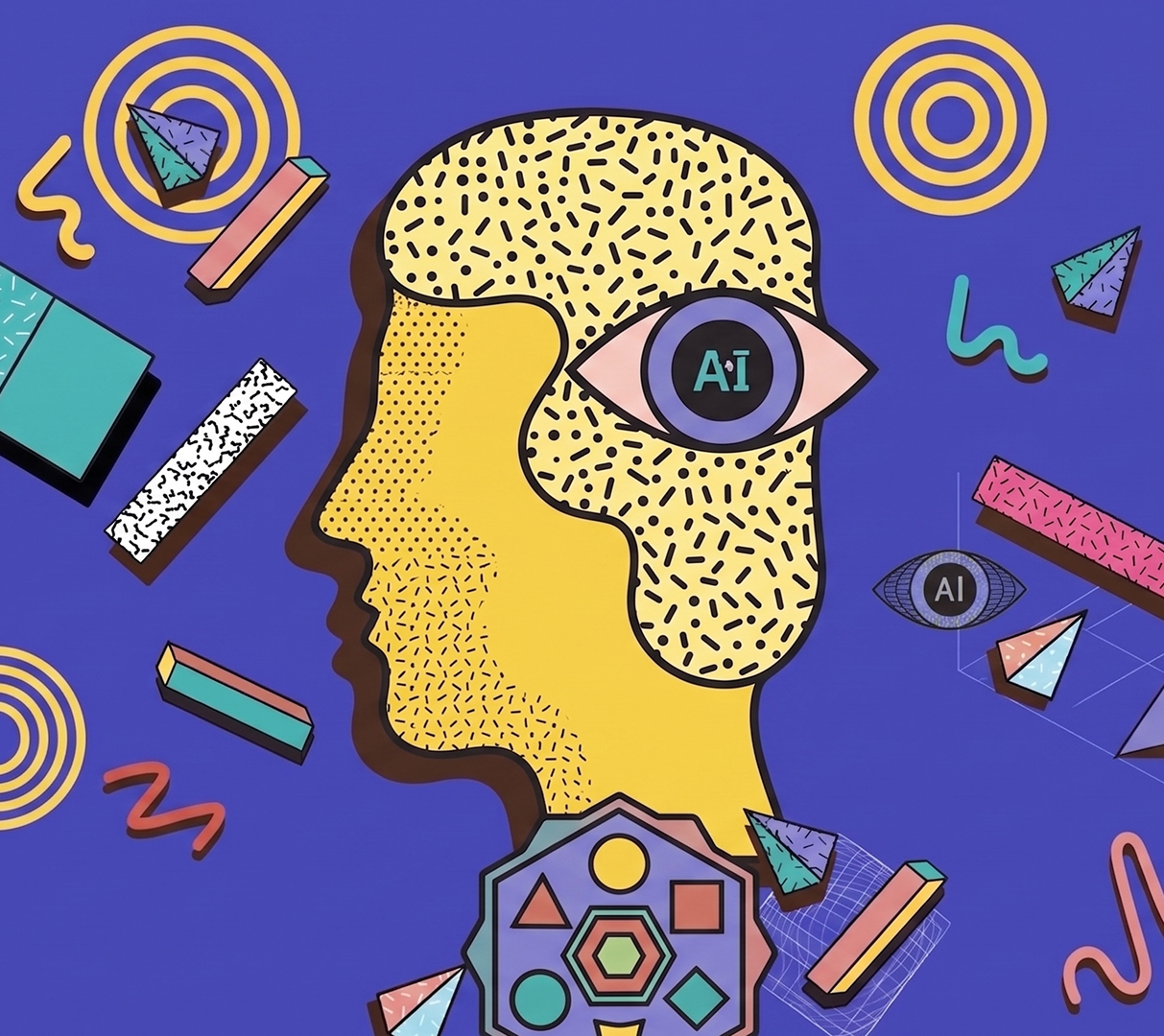
In the digital world, your website or app is that store. And just like a physical space, the way it’s designed determines whether a visitor stays to look around or "bounces" to a competitor. This is where UX (User Experience) and UI (User Interface) design come in.
They are your "silent salespeople," guiding your customers from their first click to the final purchase without ever saying a word.
UX vs. UI: The Brain and the Beauty
People often use these terms interchangeably, but they serve two very different—and equally vital—roles in your business's success.
- UX (User Experience) is the strategy and logic. It’s about how a person feels and how easy it is for them to accomplish a task. If a user can find exactly what they need in two clicks instead of ten, that’s great UX.
- UI (User Interface) is the visual and interactive. It’s the buttons they click, the colors they see, and the spacing of the text. If that "Buy Now" button is easy to find and looks inviting, that’s great UI.
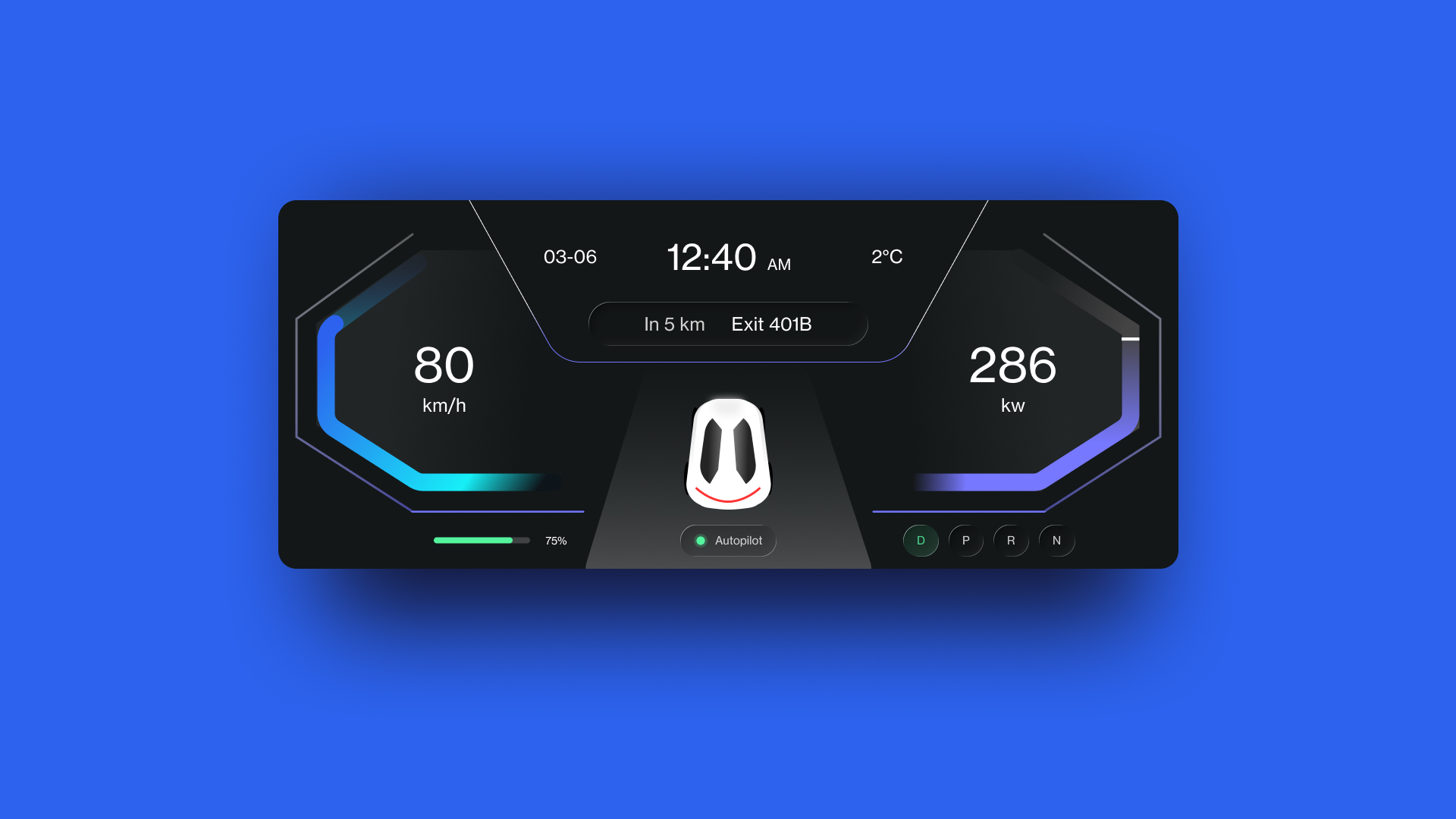
Think of it like a car: UX is the engine, the handling, and the comfortable seat height. UI is the sleek paint job, the leather dashboard, and the glowing digital display. You need both for a high-performance machine.
The Cost of Friction: Why Users Leave
In design, "friction" is anything that slows a user down or causes frustration. Friction is a profit-killer.
Common digital friction points include:
- Slow Load Times: If your site takes longer than 3 seconds to load, 53% of mobile users will abandon it.
- Confusing Navigation: If users have to play detective to find your pricing or contact page, they’ll simply give up.
- Too Many Steps: A checkout process with five pages of forms is an invitation for "cart abandonment."
Strategic UX/UI design is the process of identifying these friction points and smoothing them over. When you remove the hurdles, you make it easy for customers to say "yes."
The Science of Conversion: Design Tactics That Sell
How does design actually drive sales? It uses psychology to guide behavior. Here are three core principles:
1. Visual Hierarchy (The "Look at Me" Factor)
Not all information on a page is created equal. Good design uses size, color, and placement to tell the user's eye where to look first. Your Call to Action (CTA)—like "Get a Quote" or "Add to Cart"—should be the most visually prominent element on the page.
2. The Rule of "Don't Make Me Think"
The more brainpower a user has to spend figuring out your website, the less they have left to evaluate your product. Effective design uses familiar patterns (like a shopping cart icon in the top right) so the experience feels intuitive.
3. Mobile-First Reality
More than half of all web traffic now happens on mobile devices. If your site looks great on a desktop but is a jumbled mess on a thumb-sized screen, you are effectively closing your doors to 50% of your market. Responsive design isn't a "nice-to-have"; it’s a business requirement.
Case Study: The $300 Million Button
One of the most famous examples of UX ROI involves a major e-commerce retailer. They had a checkout page that required users to "Register" before buying.
By simply changing the "Register" button to a "Continue" button (with a simple note saying "You do not need to create an account to make a purchase"), they removed the friction of a forced commitment.
The result?
The number of customers increased by 45%, resulting in an extra $300 million in revenue in the first year. That wasn't a change in product or price—it was a simple design fix.